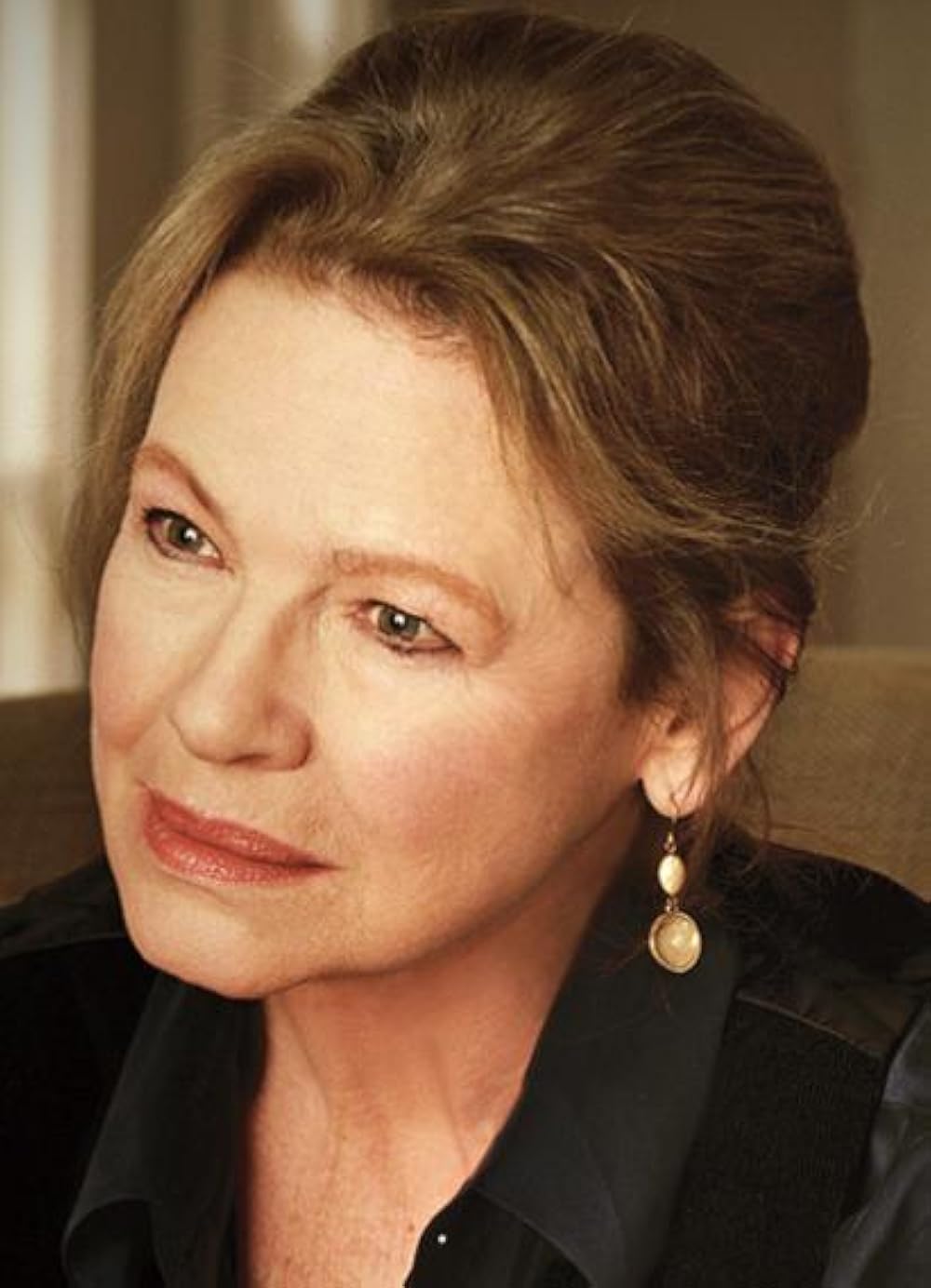
From Ballet Dreams: The Formative Years of Dianne Wiest
Dianne Wiest is a name synonymous with nuanced performances, iconic character portrayals, and a formidable presence on both stage and screen. With two Academy Awards gracing her mantel, a Golden Globe, and multiple Emmy Awards, her place in Hollywood’s pantheon is undisputed. Yet, before she captivated audiences in films like *Hannah and Her Sisters*, *Edward Scissorhands*, or *The Birdcage*, there was a young woman with a vastly different dream: to become a ballet dancer. Unearthing the early chapters of Dianne Wiest's life reveals a fascinating journey from aspiring ballerina to theatrical powerhouse, charting the path of an artist destined for greatness. Exploring the foundations laid during her formative years offers invaluable insight into the making of a legendary actress. The story of
Dianne Wiest young is one of discipline, discovery, and ultimately, a powerful pivot that reshaped her destiny.
A Childhood Forged Across Continents: The Global Upbringing of Young Dianne Wiest
Born on March 28, 1948, in the heartland of America, Kansas City, Missouri, Dianne Evelyn Wiest's early life was far from conventional. Her upbringing was marked by an international flair, courtesy of her parents. Her mother, Anne Stewart (née Keddie), was a dedicated nurse, while her father, Bernard John Wiest, served as a college dean and a former psychiatric social worker for the U.S. Army. Their unique meeting in Algiers speaks volumes about the adventurous spirit that likely permeated the Wiest household.
This familial backdrop meant that the family, including Dianne and her two brothers, Greg and Don, moved frequently. A significant portion of her adolescence was spent abroad, specifically in Germany, where she attended Nurnberg American High School. Living in a different country, immersed in a culture distinct from her birthplace, undoubtedly shaped
Dianne Wiest young, broadening her perspective and perhaps instilling an early appreciation for diverse human experiences—a crucial trait for any aspiring actor. Such an environment fosters adaptability, keen observation skills, and a global outlook, all of which would prove invaluable in her later career. The exposure to different ways of life, languages, and histories could very well have contributed to the depth and understanding she brings to her complex characters.
From Pointe Shoes to Monologues: The Ballet Dream and Its Evolution
During her time in Germany and throughout her early years, the primary ambition of
Dianne Wiest young was not acting, but ballet. This initial passion provides a captivating glimpse into her dedication and artistic leanings from a tender age. Ballet is a demanding art form that requires immense discipline, grace, physical prowess, and an innate ability to convey emotion without words. Hours upon hours are spent perfecting technique, mastering intricate movements, and developing a profound understanding of storytelling through physicality.
The rigorous training involved in ballet imparts an extraordinary sense of body control, stage presence, and a deep connection to emotional expression. While she ultimately chose a different path, these foundational skills were undoubtedly transferable. The discipline required to endure ballet training, the focus on precision, and the art of non-verbal communication would later become pillars of her acclaimed acting career. Imagine
Dianne Wiest young, captivated by the elegance of movement, meticulously practicing routines, and dreaming of stages lit by a singular spotlight. This profound immersion in one art form prepared her, perhaps unknowingly, for the nuances of another.
The Pivotal Shift to the Stage: Discovering a New Voice
The trajectory of young Dianne Wiest’s artistic journey took a significant turn during her senior year of high school. It was then that she made the pivotal decision to switch her focus from ballet to theater. This wasn't merely a change in extracurriculars; it was a profound re-evaluation of her artistic calling. What prompted this shift? Perhaps the allure of the spoken word, the desire for deeper character exploration through dialogue, or the direct, immediate connection with an audience that theater offers. While ballet tells stories through movement, theater allows for a direct dissection of the human psyche through language and interaction.
This courageous pivot set her on the path to the University of Maryland, where she pursued her burgeoning interest in acting. Formal theatrical education provided her with the tools to harness her innate talent, refine her vocal skills, and delve into the complexities of character development. This period was crucial for
Dianne Wiest young, solidifying her commitment to acting and laying the academic and practical groundwork for her professional career. It was here that the seeds of her future iconic performances were truly sown, moving from the silent poetry of dance to the powerful narratives of the stage.
Laying the Groundwork: Early Career and Artistic Development
Following her graduation from the University of Maryland, Dianne Wiest embarked on the challenging journey of an aspiring actor. The road to becoming a recognized artist is often long and arduous, typically involving years of regional theater, off-Broadway productions, and smaller roles, all serving as crucibles for honing one's craft. While the reference context doesn't detail every step, it's safe to assume that Wiest dedicated herself to this rigorous process, building her repertoire and deepening her understanding of acting. This crucial period, often unseen by the public, is where true artistic resilience is forged. To delve deeper into this period, you might find valuable insights in
Dianne Wiest Young: Discover Her Life Before Oscar Fame.
Her early film appearances, though not yet Oscar-winning, were significant stepping stones. Roles in films such as *Footloose* (1984) and Woody Allen's *The Purple Rose of Cairo* (1985) showcased the nascent talent of
Dianne Wiest young. These performances, even in supporting capacities, began to hint at the unique blend of vulnerability, intelligence, and often a touch of endearing eccentricity that would become her signature. They were the initial public displays of a performer who had meticulously studied her craft, bringing the discipline of her ballet background and the intellectual rigor of her theatrical training to the screen. For more on these pivotal roles, explore
Dianne Wiest Young: Her Iconic Early Film Roles. It wouldn't be long until her collaborations with Woody Allen would lead to her first Academy Award for *Hannah and Her Sisters*, solidifying her place as a cinematic treasure.
Wisdom from a Young Path: Lessons from Dianne Wiest's Journey
The early life and career trajectory of Dianne Wiest offer several valuable insights for aspiring artists and indeed anyone navigating their personal and professional paths:
*
Embrace Diverse Experiences: Wiest's international upbringing undoubtedly broadened her worldview, contributing to her ability to portray a wide array of characters with authenticity and depth. Don't shy away from experiences that push you out of your comfort zone.
*
Courage to Pivot: The decision to switch from ballet to theater, especially at a pivotal stage in her education, demonstrates remarkable courage and self-awareness. It teaches us that it's okay, and often necessary, to re-evaluate our passions and change direction if a new path truly calls to us.
*
Transferable Skills are Key: The discipline, grace, and expressive capabilities honed through years of ballet were not wasted; they became foundational elements of her acting prowess. Recognize how skills developed in one area can enrich another.
*
The Value of Formal Training: Her pursuit of theater studies at the University of Maryland underscores the importance of formal education and dedicated practice in mastering a craft. Talent flourishes with guidance and structured learning.
*
Perseverance is Paramount: The journey from a promising student to an Oscar-winning actress is rarely linear or easy. It requires dedication, resilience, and an unwavering commitment to one's artistic vision, even before widespread recognition.
Conclusion
The journey of
Dianne Wiest young from a ballet enthusiast in Germany to an acclaimed actress in Hollywood is a testament to the power of evolving dreams and steadfast dedication. Her unique upbringing, marked by international exposure, laid a rich foundation for a life steeped in art. The discipline and expressive training she gained from her initial pursuit of ballet proved invaluable, even as she courageously pivoted to the world of theater. Her story reminds us that sometimes, the path to our true calling isn't the one we initially envision, but rather a dynamic journey of discovery, learning, and unwavering commitment to our craft. Dianne Wiest's early life wasn't just a prelude to greatness; it was the crucible where a legendary artist was forged, leaving an enduring legacy for generations to come.