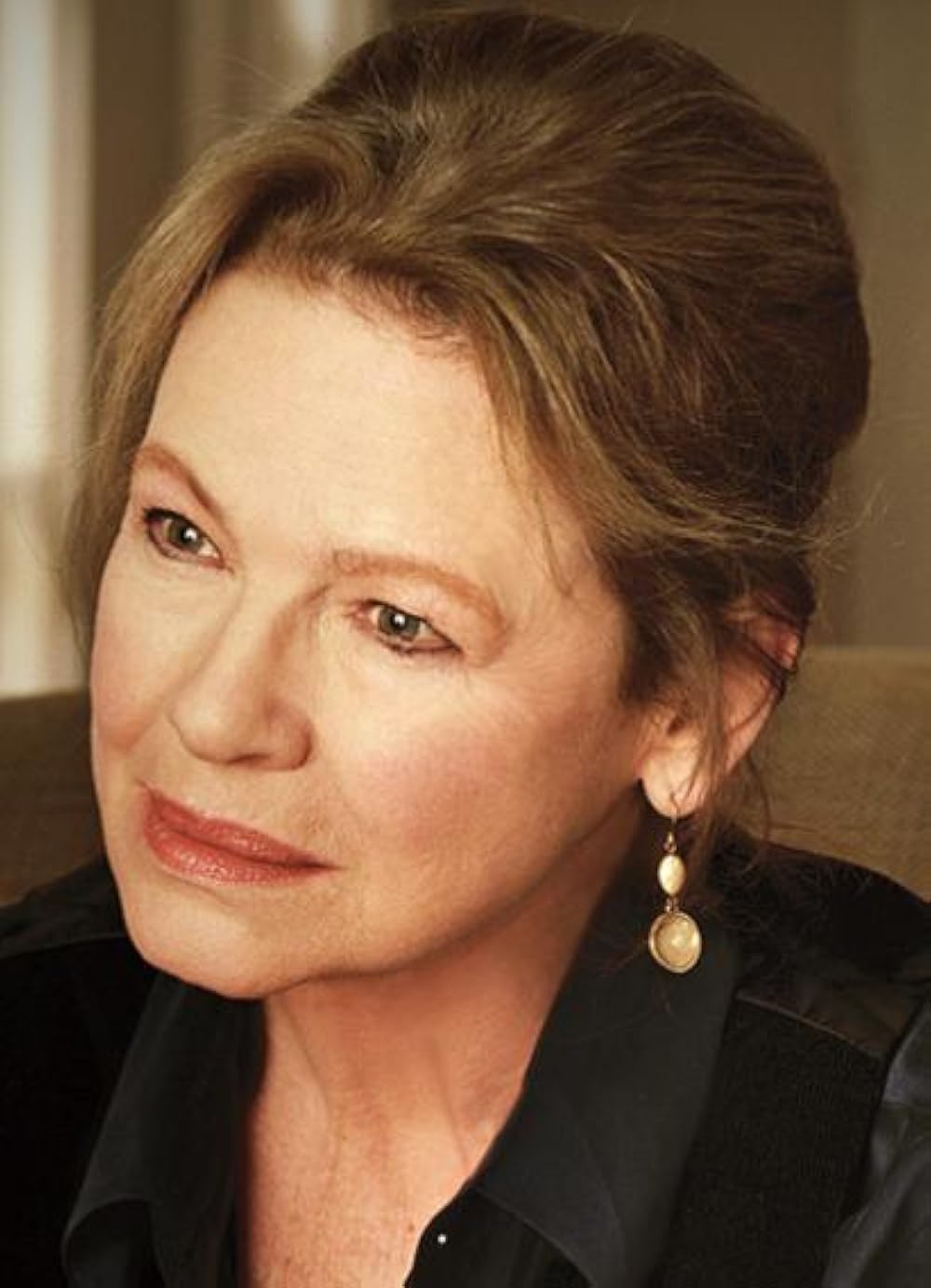
Dianne Wiest Young: Unveiling the Genesis of a Cinematic Icon
Before she became a revered two-time Academy Award winner, a formidable presence in both drama and comedy, and a beloved fixture on screen and stage, there was a young Dianne Wiest, meticulously honing her craft and laying the groundwork for what would become an extraordinary career. Her early film roles, often characterized by a unique blend of vulnerability, intelligence, and a subtly profound wit, established her as an actress of singular talent. This exploration delves into the formative years and iconic early performances that defined the nascent stages of Dianne Wiest's journey, showcasing the incredible range and depth that were evident even at the dawn of her Hollywood tenure.
The Formative Years: From Ballet Dreams to Theatrical Calling
Dianne Evelyn Wiest was born on March 28, 1948, in Kansas City, Missouri, to a family that instilled a strong sense of intellectual curiosity and diverse experiences. Her mother, Anne Stewart, was a nurse, while her father, Bernard John Wiest, served as a college dean and a former psychiatric social worker for the U.S. Army. Their unique meeting in Algiers speaks to a family life rich in varied perspectives. With two brothers, Greg and Don, Wiest's early environment was far from conventional, fostering an independent spirit that would later shine through her performances.
Her adolescence took a fascinating turn when her family moved to Germany, leading her to attend Nurnberg American High School. It was here, amidst a foreign landscape, that her artistic inclinations began to truly blossom. Initially, Wiest harbored aspirations of becoming a ballet dancer, a discipline that demands immense precision, dedication, and emotional expression – qualities that would later become hallmarks of her acting style. However, a pivotal shift occurred during her senior year: she pivoted from the grace of ballet to the intensity of theater. This change in direction was not merely a whim but a profound realization of her true calling. After graduating from the University of Maryland, armed with a degree and an unwavering commitment to the performing arts, Wiest embarked on a path that would lead her from the stage to the cinematic spotlight. Her early dedication to the craft, though rooted in different artistic forms, undeniably shaped the powerful actress she was to become. For a deeper dive into this fascinating transition, explore From Ballet Dreams: A Look at Young Dianne Wiest's Path.
Beyond the Stage: Dianne Wiest's Breakthrough onto the Silver Screen
While Wiest had a robust career in theatre, including Obie Award-winning performances, her foray into film began to garner wider attention in the mid-1980s. One of her earliest significant film appearances was in the iconic 1984 film Footloose. Though a smaller role, her presence added a touch of grounded reality to the vibrant, youth-centric narrative. It wasn't long, however, until her unique talents caught the eye of a director who would become intrinsically linked with her early success: Woody Allen.
Her collaboration with Allen began with The Purple Rose of Cairo (1985), a film that beautifully blended fantasy and reality. This marked the beginning of a fruitful partnership that would unlock some of Wiest's most memorable and celebrated performances as a young Dianne Wiest. The following year, 1986, proved to be truly transformative with her role as Holly in Hannah and Her Sisters. As the neurotic, insecure, and ultimately endearing sister struggling with her identity and relationships, Wiest delivered a performance of such nuanced vulnerability and comedic timing that it earned her first Academy Award for Best Supporting Actress. This win was not just a recognition of a superb performance but a definitive announcement of her arrival as a major cinematic force.
Continuing her work with Allen, Wiest appeared in Radio Days and September (both 1987), further cementing her ability to inhabit complex characters with effortless grace. But her range wasn't limited to dramatic comedies. The same year, she made a memorable appearance in the cult classic vampire film The Lost Boys. Here, she played Lucy Emerson, a single mother unwittingly moving her sons into a town plagued by vampires, showcasing her versatility in a genre far removed from her Allen collaborations. These diverse early roles demonstrated that the dianne wiest young audiences were discovering was an actress capable of anything, laying the foundation for a career defined by incredible depth and unexpected choices.
Crafting Characters: The Signature Style of a Young Dianne Wiest
What distinguished Dianne Wiest in her early career, and indeed throughout her extensive filmography, was her remarkable ability to imbue even the most secondary characters with profound humanity and relatability. She specialized in portraying women who felt deeply, often on the verge of emotional unraveling, yet always possessing an underlying strength and intelligence. Her characters were often a tapestry of neurosis, warmth, insecurity, and an almost childlike wonder, making them intensely compelling to watch.
Her performances during this period were characterized by:
- Nuanced Vulnerability: Wiest had an unparalleled gift for revealing the inner turmoil and delicate emotional states of her characters without resorting to melodrama. Her expressions and subtle gestures spoke volumes.
- Masterful Comedic Timing: Especially evident in her Woody Allen films, her comedic delivery was precise and natural, often drawing humor from the inherent awkwardness or anxieties of her characters.
- Profound Empathy: Whether playing a struggling artist or an overwhelmed mother, Wiest brought an innate understanding and compassion to her roles, inviting audiences to connect deeply with her characters' struggles and triumphs.
In 1989, Wiest earned another Academy Award nomination for her role as Helen Buckman in Ron Howard's Parenthood. Her portrayal of a loving, yet sometimes exasperated and slightly unconventional single mother, resonated with audiences and critics alike, further proving her consistent excellence in delivering authentic, heartfelt performances. Perhaps one of her most beloved and widely recognized early roles arrived in 1990 with Tim Burton's magical realist fantasy, Edward Scissorhands. As Peg Boggs, the kind-hearted Avon lady who discovers Edward and brings him into her suburban home, Wiest epitomized maternal warmth and boundless compassion. She became the quintessential "good mother" figure, anchoring the fantastical narrative with a touching sense of human generosity. Even in films like Little Man Tate (1991), her presence elevated the material, showcasing her ability to bring gravitas and grace to every scene. These roles firmly established the signature appeal of Dianne Wiest young, showcasing her unique talent for crafting characters that felt both utterly real and wonderfully cinematic.
The Second Oscar and Beyond: Solidifying an Early Legacy
The early 1990s saw Dianne Wiest continue to build on her already impressive foundation, ultimately leading to another landmark achievement. In 1994, she reunited with Woody Allen for Bullets Over Broadway, where she portrayed Helen Sinclair, a flamboyant, aging stage diva with a penchant for grand pronouncements and an unshakeable belief in her own genius. Her performance was a tour-de-force, a perfect blend of high-camp theatricality and underlying melancholy. It was a role that not only showcased her comedic prowess but also her ability to command the screen with an unforgettable presence. For this magnificent portrayal, Wiest received her second Academy Award for Best Supporting Actress, cementing her status as one of Hollywood's most esteemed and reliable talents. She also took home a Golden Globe Award for the same role.
This second Oscar was not just a testament to a brilliant individual performance but also a validation of the incredible range and consistent quality she had displayed throughout her early career. It solidified her legacy as an actress who, whether in a leading or supporting capacity, invariably left an indelible mark. Following this triumph, Wiest continued to choose diverse and engaging projects, further demonstrating her versatility. She starred in the highly successful comedy The Birdcage (1996) as Louise Keeley, the conservative mother of a prospective bride, navigating a hilariously chaotic family dinner. In 1998, she enchanted audiences once again in the magical romantic comedy Practical Magic, playing Aunt Jet, one of the wise and eccentric aunts in a family of witches. These roles, though coming after her "young" designation, were direct beneficiaries of the reputation and artistic foundation she meticulously built with her earlier, iconic performances. Her early choices, her willingness to embrace complex characters, and her innate talent proved instrumental in shaping a career that has now spanned decades, filled with accolades and beloved performances.
Practical Insights from Wiest's Early Career:
- The Power of Supporting Roles: Wiest proved that a supporting character can be just as, if not more, impactful than a lead, often stealing scenes and becoming the heart of a film.
- Strategic Collaborations: Her frequent work with directors like Woody Allen and Tim Burton allowed her to explore her range and build a creative synergy that brought out her best work.
- Embracing Character Depth: Wiest consistently chose roles that allowed her to delve into complex human emotions, making her performances resonate deeply with audiences.
Conclusion
The journey of Dianne Wiest from a ballet-loving teenager in Germany to a two-time Academy Award-winning actress is a testament to unwavering talent and an astute understanding of her craft. Her early film roles, ranging from the vulnerable Holly in Hannah and Her Sisters to the warmly maternal Peg Boggs in Edward Scissorhands and the deliciously theatrical Helen Sinclair in Bullets Over Broadway, reveal an actress who consistently brought authenticity, humor, and profound empathy to every character she inhabited. The Dianne Wiest young audiences encountered on screen was already a fully formed artist, whose iconic early performances laid the indelible groundwork for a career that continues to captivate and inspire. Her work during this pivotal period not only earned her critical acclaim but also etched her firmly into the pantheon of cinematic legends, proving that true artistry shines brightly from the very beginning.